Mastering the Forex Currency Market: Strategies and Insights
The Forex currency market is one of the largest financial markets in the world, handling trillions of dollars of transactions daily. For traders looking to navigate this complex and dynamic environment, having a solid understanding of market mechanics, strategies, and tools is essential. In this article, we will explore various aspects of Forex trading, including fundamental and technical analysis, risk management strategies, and the value of using platforms like forex currency market trading MT5 Forex Brokers to maximize trading potential.
Understanding the Forex Market
The Forex market is where currencies are traded, and it operates 24 hours a day, five days a week. Unlike stock markets, the Forex market is decentralized, meaning there is no central exchange for currency trading. Instead, transactions occur over-the-counter (OTC) through a network of banks, brokers, and traders.
Currency Pairs
In Forex trading, currencies are quoted in pairs, such as EUR/USD or GBP/JPY. The first currency in a pair is known as the base currency, while the second is the quote currency. Understanding how to read these pairs is crucial for successful trading.
The Role of Fundamental Analysis
Fundamental analysis involves evaluating economic indicators, news events, and geopolitical factors that can impact currency values. Economic indicators such as GDP growth, inflation rates, and employment figures can significantly influence exchange rates. Traders should pay attention to economic calendars and events, as these can create volatility and trading opportunities.
Key Economic Indicators
- Gross Domestic Product (GDP): Measures the economic performance of a country.
- Interest Rates: Central banks set interest rates, which can affect currency strength.
- Inflation Rates: Rising inflation may decrease currency value.
- Employment Figures: Unemployment rates impact consumer spending and economic health.
Technical Analysis: Charting Your Path
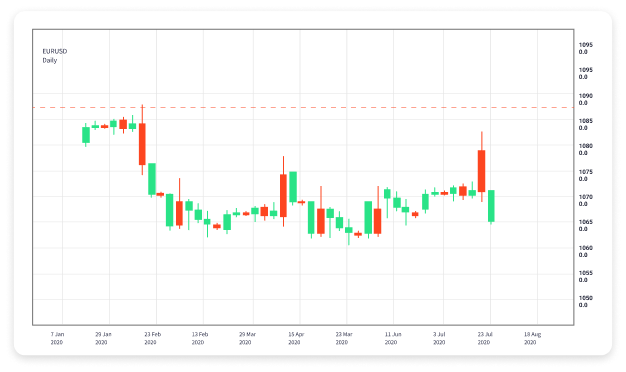
Technical analysis involves analyzing historical price movements and trading volumes using charts and indicators. Traders use various tools, such as moving averages, trend lines, and oscillators, to identify potential entry and exit points. Understanding chart patterns, such as head and shoulders or double tops, can provide valuable insights into market behavior.
Popular Technical Indicators
- Moving Averages: Help smooth out price data to identify trends.
- Relative Strength Index (RSI): Measures the speed and change of price movements to identify overbought or oversold conditions.
- Bollinger Bands: A volatility indicator that can help determine overbought or oversold conditions.
- MACD (Moving Average Convergence Divergence): A trend-following momentum indicator that shows the relationship between two moving averages of a security’s price.
Risk Management Strategies

Effective risk management is critical in Forex trading. Traders must understand that losses are an inevitable part of trading and that managing risk can protect capital. Here are a few key strategies:
1. Setting Stop-Loss Orders
Stop-loss orders allow traders to set predetermined exit points for losing trades. By enforcing stop-loss orders, traders can prevent significant capital loss and maintain psychological stability during trading.
2. Position Sizing
Determining the appropriate position size based on account size and risk tolerance can help mitigate losses. Traders should never risk more than a small percentage of their capital on any single trade.
3. Diversification
Diversifying trading positions across different currency pairs can reduce risk. By spreading exposure, traders can mitigate the impact of any single adverse market movement.
The Psychological Aspect of Trading
Trading psychology plays a significant role in a trader’s success. Emotions such as fear and greed can lead to impulsive decisions and deviations from trading plans. Developing emotional discipline is essential for maintaining a rational approach to trading.
Tips for Managing Trading Psychology
- Stick to a trading plan and avoid making decisions based on emotions.
- Take regular breaks to clear your mind and avoid burnout.
- Practice mindfulness techniques to stay focused and calm during trading sessions.
Choosing the Right Brokerage
Selecting a reputable Forex broker is crucial for executing trades effectively. Consider factors such as spreads, fees, customer support, and the trading platform offered. Ensure that the broker is regulated by a recognized financial authority to protect your funds.
Continuous Learning and Adaptation
The Forex market is continuously evolving, and successful traders must adapt to changing conditions. Ongoing education through courses, webinars, and trading forums can help traders stay informed about market trends and develop new strategies.
Conclusion
Mastering the Forex currency market requires a combination of technical knowledge, analytical skills, and psychological resilience. By understanding fundamental and technical analysis, implementing effective risk management strategies, and choosing the right brokerage, traders can position themselves for success. Continuous learning and adaptation to market conditions will ensure traders remain competitive in this fast-paced environment.
Bir yanıt yazın