In the ever-evolving realm of education, where details flows generously and accessibility to understanding is just a click away, student-driven encyclopedias are emerging as a vibrant device in the discovering process.
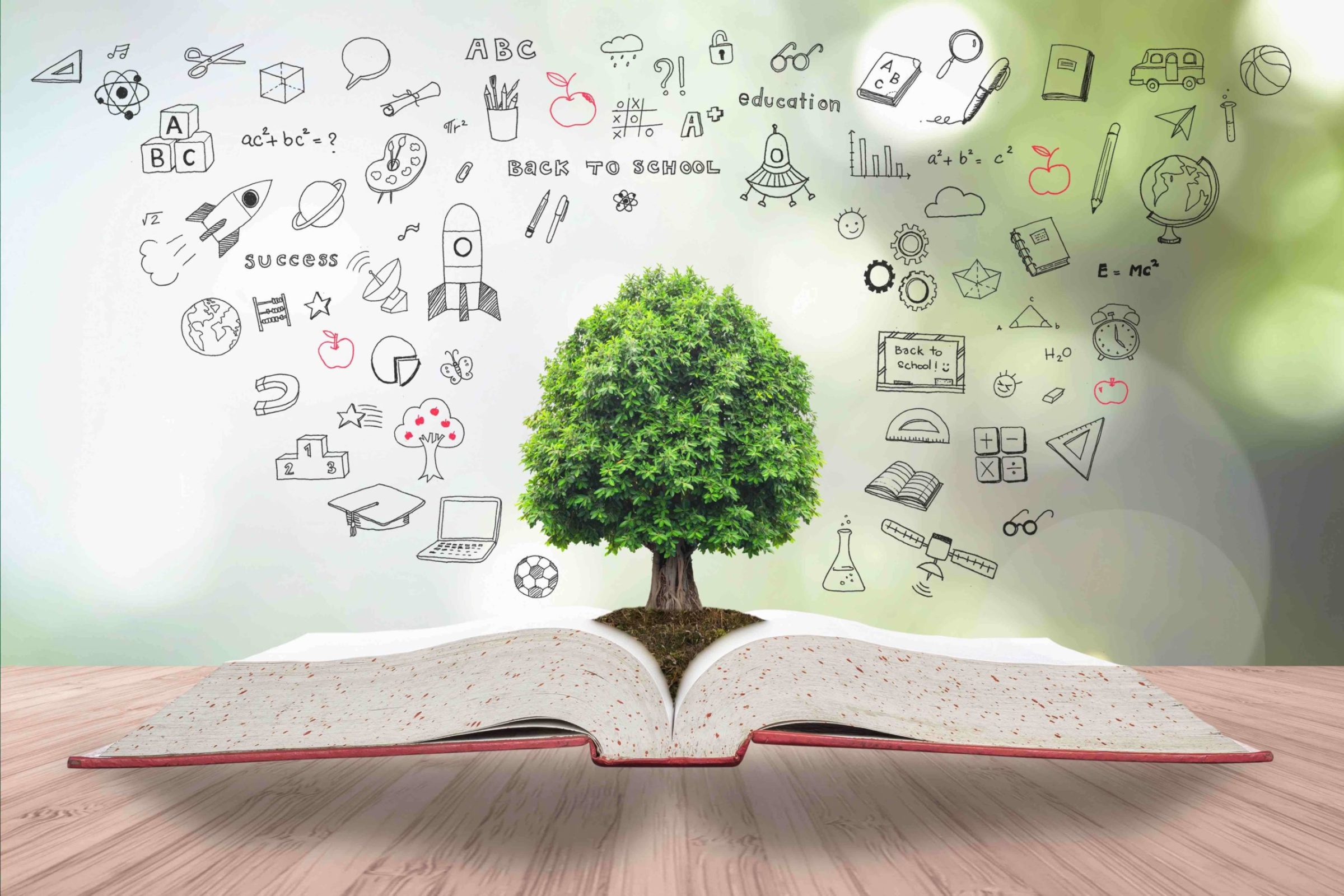
These platforms not only offer pupils with a repository of details yet likewise urge them to contribute, modify, and curate web content, fostering a joint and interactive learning atmosphere.
As academic standards change towards even more participatory and comprehensive designs, the principle of student-driven encyclopedias embodies this change. These platforms empower trainees to become energetic participants in knowledge production, linking the void between typical textbook understanding and modern-day electronic resources.
The Idea of Student-Driven Encyclopedias
Student-driven encyclopedias are digital systems where pupils jointly collect, confirm, and share details on a large selection of subjects. Unlike conventional encyclopedias, which are often composed by specialists, these systems take advantage of the collective efforts of pupils to produce an extensive body of expertise.
At their core, student-driven encyclopedias are designed to cultivate critical reasoning, research study skills, and digital proficiency among pupils. By participating in the process of material production, pupils find out to navigate and review details critically, skills that are important in today’s information-rich culture.
In addition, these platforms work as a space for students to discover their rate of interests and share their experience. This democratic strategy to understanding creation guarantees that a varied range of perspectives and voices are stood for, enhancing the finding out experience for all participants.
- Students obtain hands-on experience in research study and content production.
- Urges partnership and peer communication.
- Advertises a deeper understanding of topic.
- Fosters inclusivity and diversity in expertise representation.
In essence, student-driven encyclopedias change pupils from easy recipients of info right into energetic contributors, instilling a sense of ownership and obligation in their educational journey.
Benefits of Student-Driven Encyclopedias
One of the principal advantages of student-driven encyclopedias is the development of essential 21st-century abilities. As students take part in the procedure of material creation, they hone their essential thinking, electronic literacy, and communication skills, all of which are important in today’s interconnected world.
Furthermore, these systems motivate a collective knowing environment, where trainees can interact to verify info, dispute different perspectives, and co-edit short articles. This peer-to-peer interaction not only boosts finding out results but additionally promotes a sense of area and mutual regard amongst pupils.
Moreover, student-driven encyclopedias use a platform for showcasing student job. As trainees contribute to the encyclopedia, they develop a portfolio of their study and writing, which can be very useful for more scholastic and specialist quests.
Challenges and Limitations

Regardless of the various benefits, student-driven encyclopedias likewise deal with specific difficulties. Making sure the accuracy and dependability of information is critical, as these systems rely on contributions from students that might Gestalt therapy is considered ________, often confronting clients about the statements they have made. instead of simply reflecting back clients’ statements, a gestalt therapist uses a number of planned not yet possess expert-level knowledge.
- Preserving material top quality and accuracy.
- Giving ample supervision and advice.
- Making certain equitable access and inclusivity.
To minimize these difficulties, many student-driven encyclopedias execute a system of checks and balances, where content is evaluated by teachers or experts prior to magazine. This ensures that the details offered is both accurate and credible, supporting the stability of the platform.
The Future of Student-Driven Encyclopedias
As modern technology remains to advance and the landscape of education and learning develops, the capacity for student-driven encyclopedias is large. These platforms have the capability to not only complement standard instructional resources however also redefine the way understanding is gotten and shared.
In the future, we might see student-driven encyclopedias incorporating more advanced innovations such as artificial intelligence and artificial intelligence to improve content curation and customization. Additionally, they might broaden past textual info to include multimedia material, providing an extra immersive discovering experience.
Encouraging the Future Generation
Student-driven encyclopedias hold the assurance of encouraging the future generation of learners. By positioning pupils at the helm of knowledge creation, these systems urge lifelong understanding, interest, and intellectual independence.
To conclude, as academic systems continue to introduce, student-driven encyclopedias stand as a testimony to the power of cooperation and the importance of trainee agency in the discovering procedure. By welcoming these platforms, we open the doors to a much more inclusive, engaging, and dynamic instructional experience for all.